


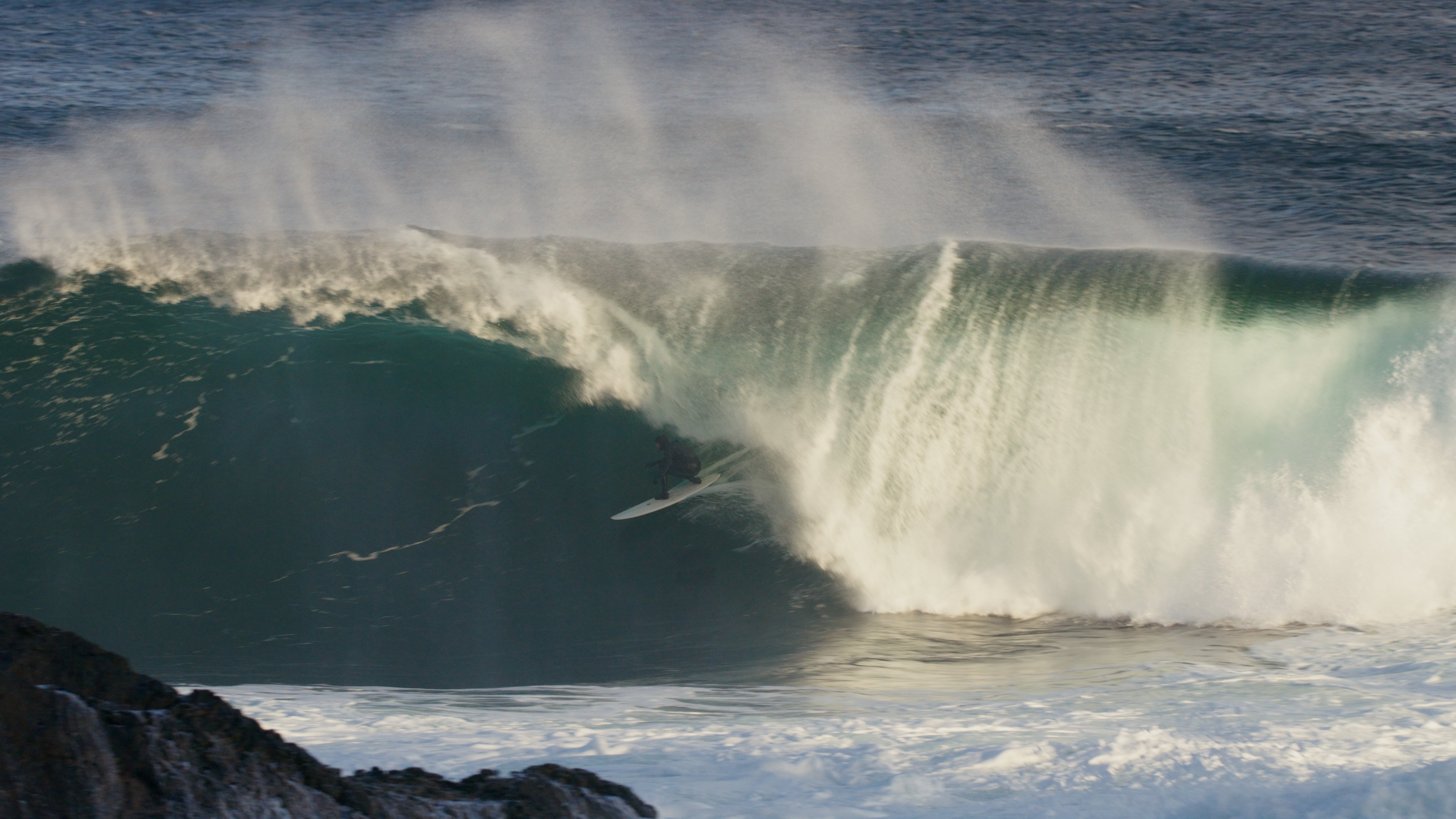
What Makes a Good Board for Waves Like That?
“I don’t think I’m very qualified to answer that for everyone,” he laughs. “Those waves are so different depending on the surfer.” (Talking about heavy water southern slabs)
Surfboard design shaped by cold water and consequence

Surfer and adventurer Torren Martyn and his longtime friend and filmmaker Ishka Folkwell attempt to circumnavigate Tasmania in two 18ft sailing kayaks on a mission to surf remote waves along one of the wildest coastlines in the world.
What began as an ambitious sailing idea slowly turned into something much deeper. Months of slow travel. Long stretches of isolation. Heavy seas, cold water and rare moments of connection with the coastline, wildlife and people of Tasmania’s rugged southern edge.
The film, Southern Edge, captures all of it.
Somewhere inside that journey was another ongoing conversation too. One about surfboards. About entry speed, control and how design changes when the waves become serious.

Dad (Simon) is always careful not to speak in absolutes.
“I don’t think I’m very qualified to answer that for everyone,” he laughs. “Those waves are so different depending on the surfer.” (Talking about heavy water southern slabs)
But for him and Torren, the direction has gradually become clearer over years of testing boards in heavy water.
“It’s all about early entry, while still keeping the board manageable through quickly changing conditions and inside the tube.”
That balancing act has slowly shaped the evolution of the Remote Location model itself.
The original diamond nose is gone.
Modern versions now feature two channels under the back foot for added hold, while still remaining forgiving off the top when ridden in smaller waves. The nose channel has evolved into a deep nose concave, while the bottom contours now shift depending on the intended wave size.
“The bigger wave versions have slight vee through the tail,” Simon explains. “The smaller wave versions use a single concave.”
The reasoning behind that is fairly simple.
“Single concave is about generating speed. The vee is about control. In bigger waves you’re not really looking for more speed, you’re looking for rail to rail control when everything’s under pressure.”
Like most good surfboard conversations, the technical side eventually circles back to feeling.
For Simon, one of the standout moments in Southern Edge has nothing to do with outlines, rocker or bottom contours.
“I love the scene where they’re sailing into Shippies,” he says. “It just feels raw and grand and powerful.”
And like most worthwhile projects, it came at a cost.
“It was a super difficult project for everyone involved. Huge congratulations to all the people who worked on it, especially Toz and Ish, and their young families. It really wasn’t easy.”
“needessentials always do such a great job bringing these wild ideas to life. And my best mate Muzz wrote such a beautiful score for the film."

What Boards Did Torren Ride for The Project?
Torren is 6'2" and weighs around 78kg dry. For much of the trip, he wore a needessentials 5/4/3 Liquid Sealed Thermal Hooded Chest Zip wetsuit, which would have easily added another 5kg or more once fully wet.
The boards he rode throughout the trip included:
- Remote Location – 6'7" x 19 1/4" x 2 7/16"
(A little under-volumed for him once factoring in the heavier wetsuit and colder southern water.) - Remote Location – 6'7" x 19 1/4" x 2 3/4"
- Massive – 7'2" x 20 3/4" x 2 3/4"
Double Stringer - Tracks Twinny – 5'8" x 19 5/8" x 2 5/8"
Some projects are about performance.
Others become something a little deeper than that.
Southern Edge feels like one of those.
Read more
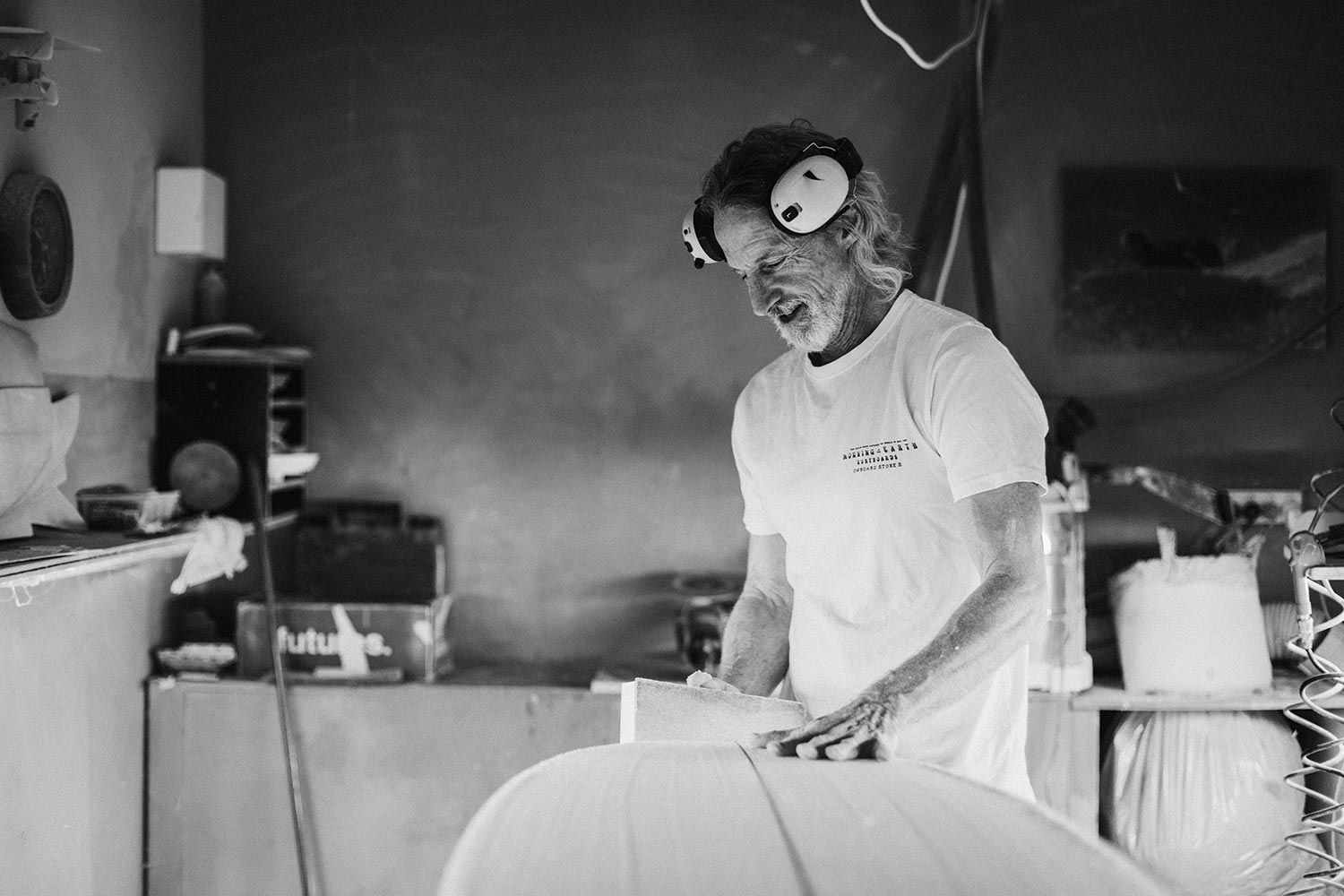
On Mid Lengths, Style, and Quiet Revolutions
“It was genuinely fun to step back and reflect on how boards are not just tools, but reflections of how people want to move through the water and, in some ways, the world around them.” - Simon Jones
Read more
In the Selfish Pursuit of Surfing
"When you're surfing you're not thinking about where you parked the car or what you're going to do when you grow up... you're just there. You're in the moment. And I think in a contemporary world,...
Read more
Handcrafted since 1983
Over 40 years of shaping experience, built by surfers for surfers

Proven in the water
Ridden by world-class surfers in all conditions around the globe

Small Team, Personal Service
Talk directly with board builders, no middlemen. Family owned and operated

Global Shipping
Get a Simon Jones board delivered anywhere, no matter where you surf